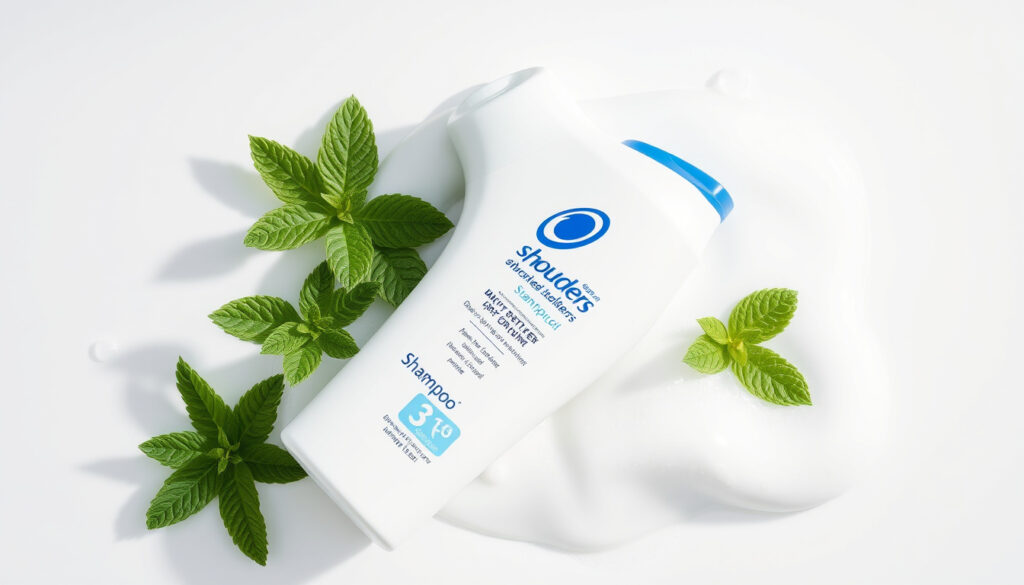
Head & Shoulders Shampoo: Benefits, Ingredients & Reviews
That familiar yellow bottle has probably crossed your bathroom shelf at some point. GoodRx confirms that Head & Shoulders shampoos aren’t bad for hair and can actually improve dandruff while adding moisture.
UK’s #1 Anti-Dandruff Shampoo: Head & Shoulders · Active Ingredient: Pyrithione Zinc · Flake Protection Claim: Up to 100% · Dermatologically Tested: Yes · pH Balanced: Yes
Quick snapshot
- Contains pyrithione zinc (GoodRx medical guidance)
- 100% flake-free claim (Head & Shoulders Official product page)
- Dermatologically tested (Head & Shoulders Official ingredients page)
- Long-term safety data for daily use beyond standard dermatology surveys (SkinSafeProducts product analysis)
- Head & Shoulders is #1 dermatologist recommended based on a 2013 survey (SkinSafeProducts product analysis) — no recent verification
- 2013: Dermatologist recommendation survey conducted (I Read Labels For You ingredient analysis)
- 2026-01: Classic Clean ingredient list updated (I Read Labels For You ingredient analysis)
- BARE line expansion signals shift toward minimalist, sulfate-free formulations
- Ongoing reformulation scrutiny as ingredient transparency demand grows
| Label | Value |
|---|---|
| Brand Origin | Procter & Gamble |
| Key Ingredient | Pyrithione Zinc |
| Primary Use | Anti-dandruff |
| Tested For | Dermatologically tested, pH balanced |
| Everyday Line Active | 1% Pyrithione Zinc |
| Clinical Strength Active | 1% Selenium Sulfide (OTC) |
| BARE Variant Ingredients | 9 total (minimalist formula) |
| Market Position | #1 US dandruff shampoo brand by volume |
Is Head and Shoulders Shampoo Good for Hair?
The short answer from health resources is yes—when used as directed. GoodRx confirms that Head & Shoulders shampoos aren’t bad for hair. In fact, they can improve dandruff and scalp dryness while adding moisture to your hair. The brand works with dermatologists for clinically-proven actives and scalp-loving ingredients.
Benefits for dandruff and scalp health
The active ingredient pyrithione zinc fights Malassezia fungus, the microorganism linked to dandruff. Head & Shoulders formula works 7 surface layers deep in scalp to stop dandruff. Dry Scalp Care Shampoo is infused with almond oil and clinically proven for up to 100% dandruff protection with regular use.
Head & Shoulders addresses the root cause of common dandruff rather than masking flakes. For most users, regular use means visibly flake-free hair and reduced scalp itch.
Does Head and Shoulders Damage Your Hair?
Hair damage concerns center on surfactants and preservatives. Head & Shoulders Official states that Sodium Laureth Sulfate and Sodium Lauryl Sulfate are safe for regular use in rinse-off shampoos. The brand also confirms it does not use parabens in Head & Shoulders products.
Hair loss concerns
No direct evidence links Head & Shoulders to hair loss. The Wimpole Clinic notes that the shampoo does not cause hair loss. However, anecdotal reports persist online, suggesting user experiences may vary based on individual scalp conditions or allergies.
Dermatologist views
GoodRx cites dermatologist verification that Head & Shoulders is dermatologist verified safe and effective. The health resource emphasizes that the shampoo can improve dandruff and scalp dryness while adding moisture—contradicting damage claims.
Surfactants like sodium laureth sulfate can cause irritation in sensitive individuals. Cocamidopropyl betaine may contain impurities like DMAPA that could cause skin sensitization, per I Read Labels For You analysis. Those with reactive scalps may want to try the BARE formula instead.
Do Head and Shoulders Have Zinc?
Yes. Pyrithione zinc is the primary active ingredient across most Head & Shoulders variants. The everyday line uses 1% pyrithione zinc for mild-to-moderate dandruff. The Classic Clean formula as of January 2026 includes pyrithione zinc 1% along with sodium laureth sulfate, cocamidopropyl betaine, and fragrance.
Active ingredients list
Beyond pyrithione zinc, formulations vary by variant. The BARE Itchy Scalp Relief contains only 9 ingredients with 1% pyrithione zinc as the active, free of sulfates, silicones, and dyes. Head & Shoulders Sensitive Shampoo includes Piroctone Olamine, Niacinamide, Panthenol, and Tocopheryl Acetate. Niacinamide functions as an anti-acne, antioxidant, cell-communicating, and skin brightening ingredient.
Antifungal properties
Pyrithione zinc targets Malassezia fungus—the root cause of dandruff for most users. Selenium sulfide, found in Clinical Strength variants, decreases skin cell production and inhibits fungal growth at 1% concentration OTC, or 2.5% by prescription.
Pyrithione zinc works daily; selenium sulfide handles severe cases but carries stronger warnings. Choose 1% pyrithione zinc for maintenance, reserve selenium sulfide for stubborn seborrheic dermatitis.
What Are the Disadvantages of Head and Shoulders Shampoo?
No product suits everyone. Potential drawbacks include dryness in some users, fragrance content that may irritate sensitive scalps, and the presence of dimethicone—which coats hair for moisture and shine but some users prefer to avoid silicones.
Bad reputation reasons
Some users report that Head & Shoulders feels drying or leaves residue. The standard formulas contain sulfates and silicones, which minimalist-product advocates sometimes criticize. The BARE line directly addresses these concerns with a 9-ingredient, sulfate-free, silicone-free, dye-free formula using zinc pyrithione and mint oil for cooling relief.
If you have a sulfate or silicone sensitivity, the standard line may worsen symptoms. The BARE variant solves this but costs more and offers less fragrance options.
Head and Shoulders for Itchy Scalp and Dandruff
Itchy Scalp Care Shampoo with eucalyptus provides 72-hour protection against flakes, itch, and dryness. The DermaPure formula soothes scalp while fighting itchy oily and dry scalp. Itchy Scalp Care relieves irritation and reduces redness associated with dandruff, rated 91% top allergen free.
Dermatologist recommendations
CNN Underscored recommends Head & Shoulders among 7 best dandruff shampoos according to dermatologists. The brand is America’s #1 dandruff shampoo brand based on volume sales, and #1 dermatologist recommended based on a 2013 survey.
Comparisons
Dove focuses on moisture without dandruff-specific actives. Head & Shoulders prioritizes flake elimination with active ingredients. For itchy scalp specifically, Head & Shoulders Itchy Scalp Care with eucalyptus outperforms basic moisturizing shampoos. Dove lacks pyrithione zinc or selenium sulfide, making it less effective for fungal-related dandruff.
| Variant | Active Ingredient | Target Issue |
|---|---|---|
| Classic Clean | 1% Pyrithione Zinc | General dandruff, daily use |
| Itchy Scalp Care | 1% Pyrithione Zinc + Eucalyptus | Itch, irritation, 72-hr protection |
| Clinical Strength | 1% Selenium Sulfide | Severe dandruff, seborrheic dermatitis |
| BARE | 1% Pyrithione Zinc | Sensitive scalp, minimalist routine |
| Dry Scalp Care | 1% Pyrithione Zinc + Almond Oil | Dryness, moisture |
Head & Shoulders offers distinct product lines calibrated to different scalp conditions—from everyday maintenance to clinical-strength treatment.
Ingredient comparison
Three Head & Shoulders variants reveal the brand’s formulation strategy. Pyrithione zinc dominates everyday products. Selenium sulfide appears only in Clinical Strength for prescription-level potency. BARE strips everything to nine ingredients for sensitive scalps. The pattern is clear: active choice depends on severity and sensitivity level.
| Specification | Everyday Line | Clinical Strength | BARE |
|---|---|---|---|
| Active | 1% Pyrithione Zinc | 1% Selenium Sulfide | 1% Pyrithione Zinc |
| Total Ingredients | 15+ | 15+ | 9 |
| Sulfate-Free | No | No | Yes |
| Silicone-Free | No | No | Yes |
| Dye-Free | No | No | Yes |
| Preservatives | Methylisothiazolinone (safe at effective levels) | Standard preservatives | Minimal |
The everyday line balances efficacy with cost and availability. Clinical Strength targets severe cases requiring stronger actives. BARE prioritizes sensitivity over comprehensive coverage—fewer ingredients mean fewer potential irritants but potentially less robust flake protection for stubborn dandruff.
Upsides
- America’s #1 dandruff shampoo brand with dermatologist backing
- Multiple variants address different scalp needs (itch, dryness, sensitivity)
- Pyrithione zinc at 1% is well-studied and generally safe
- Up to 100% dandruff protection with regular use
- BARE line offers sulfate/silicone-free options
- 72-hour protection with Itchy Scalp Care variant
Downsides
- Standard formulas contain sulfates and silicones—some users prefer to avoid these
- Fragrance may irritate sensitive scalps
- Cocamidopropyl betaine can contain DMAPA impurities
- Dermatologist recommendation based on 2013 survey—outdated verification
- Dimethicone coats hair—some users avoid silicones
- Not all variants suit all hair types
Confirmed vs unverified
- Contains pyrithione zinc at 1% — confirmed by GoodRx and INCIDecoder
- Dermatologically tested with dermatologist collaboration — confirmed by Head & Shoulders Official
- Does not contain parabens — confirmed by Head & Shoulders Official
- Safe sulfates in rinse-off products — confirmed by Head & Shoulders Official
- May cause hair loss — unverified rumor with no clinical backing
- Superior to all competitors — unverified marketing claim
Head and Shoulders shampoos aren’t bad for your hair. In fact, they can improve dandruff and scalp dryness while adding moisture to your hair. — GoodRx (Health Resource)
Dermatologist Verified Safe & Effective. — Head & Shoulders (Brand Official)
We do not use Parabens in Head & Shoulders products. — Head & Shoulders (Brand Official)
Related reading: London Drugs stores · whole house water filtering system
incidecoder.com, incidecoder.com, headandshoulders.com, headandshoulders.com, target.com, walmart.com
Frequently asked questions
Does Head and Shoulders cause hair loss?
No direct evidence links Head & Shoulders to hair loss. GoodRx and other health resources confirm the shampoo does not cause hair loss. Anecdotal reports exist online, but no clinical studies support causation.
Is Head and Shoulders safe for daily use?
Yes. Head & Shoulders Official confirms sodium laureth sulfate and sodium lauryl sulfate are safe for regular use in rinse-off shampoos. The brand formulates for daily use across most variants.
Can Head and Shoulders treat fungal scalp issues?
Yes. Pyrithione zinc fights Malassezia fungus—the root cause of most dandruff. Selenium sulfide in Clinical Strength decreases skin cell production and inhibits fungal growth for more severe cases.
What sizes is Head and Shoulders shampoo available in?
Common sizes include 400ml standard bottles, 20.7 fl oz (Target), and 500ml variants. BARE uses an Ecobottle with 45% less plastic. Availability varies by region and retailer.
Where to buy Head and Shoulders shampoo?
Available at major retailers including Target, Walmart, and online through the official Head & Shoulders website. BARE Itchy Scalp Relief is sold through headandshoulders.com/en-us/shop-products/.
Is Head and Shoulders suitable for colored hair?
Standard formulas contain sulfates and silicones. While no explicit color-safe claim appears on most variants, BARE’s minimalist formula may be gentler on color-treated hair. Check specific product labeling for color-safe certifications.
How often to use Head and Shoulders for best results?
The brand recommends regular use—typically every wash—for ongoing dandruff protection. Itchy Scalp Care provides 72-hour protection, meaning less frequent application may still be effective for mild cases.
What this means for you
Head & Shoulders holds up to scientific scrutiny on its core promises. The active ingredients—pyrithione zinc and selenium sulfide—are proven anti-dandruff agents. Dermatologist backing adds credibility. The main caveats involve individual sensitivity to sulfates, silicones, or fragrance. For most people dealing with ordinary dandruff, the yellow bottle delivers. For sensitive scalps, the BARE line removes the common irritants.
More related posts
 Lily and Jack Sullivan Mother: Malehya Brooks-Murray and Case
 Vancouver to Delhi Flight – Times, Fares and Booking Tips
 Redmi 4 Prime to Buy – Used Deals and Sellers in India
 Cloudy with a Chance of Meatballs: Age Rating & Where to Watch
 FC Barcelona vs Inter Milan: 2025 UCL Semis, H2H & Venue
 1 USD to INR: Current Rate, History & Value in India
 Kolkata Knight Riders vs Royal Challengers Bengaluru Match Scorecard
 Chicken Pot Pie Recipe – Easy Homemade Without Soup