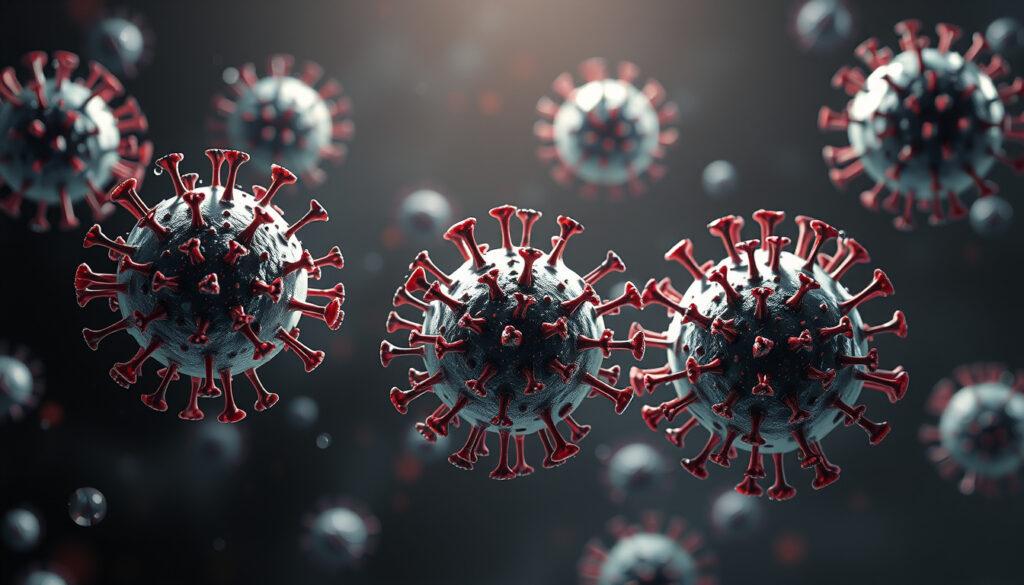
2019 Coronavirus Disease: Symptoms, Causes & Facts
If you’ve been wondering whether that scratchy throat or wave of fatigue might be COVID-19, the question matters more than ever as variants keep circulating. This guide walks through what the 2019 coronavirus disease actually looks like right now, drawing on the latest guidance from the World Health Organization and clinical institutions to help you recognize the signs and understand what’s happening inside your body.
Caused by: SARS-CoV-2 virus · First identified: 2019 in Wuhan, China · Common symptoms: Fever, cough, fatigue · Severe complication: Acute respiratory distress syndrome · Global status: Pandemic declared by WHO
Quick snapshot
- Caused by the SARS-CoV-2 virus (World Health Organization fact sheet)
- Respiratory infection spread globally (World Health Organization fact sheet)
- Symptoms include fever and cough (Mayo Clinic symptom guide)
- Exact symptom presentation varies by current variant
- Long-term effects still being studied
- Duration of natural immunity post-infection
- Incubation: 2–14 days after exposure (Mayo Clinic symptom guide)
- Symptoms may worsen 5–7 days after onset (Mayo Clinic symptom guide)
- Testing remains key for confirmed diagnosis
- Isolation protocols help prevent spread
The table below consolidates the most critical attributes of COVID-19 in one reference point.
| Attribute | Details |
|---|---|
| Full name | 2019 Coronavirus Disease (COVID-19) |
| Pathogen | SARS-CoV-2 |
| Incubation period | 2–14 days |
| Mortality cause (severe cases) | Acute respiratory distress |
| Most common transmission | Respiratory droplets |
| Vaccine availability | Global rollout 2020–2023 |
What is 2019 coronavirus disease (COVID-19)?
The 2019 coronavirus disease — officially named COVID-19 by the World Health Organization — is a respiratory illness caused by the SARS-CoV-2 virus. First identified in late 2019 in Wuhan, China, the disease spread rapidly across borders and was declared a global pandemic in March 2020 (World Health Organization fact sheet).
Definition from WHO
According to the World Health Organization, COVID-19 is an infectious disease caused by a newly discovered coronavirus. The organization notes that most people infected experience mild to moderate respiratory symptoms and recover without special treatment (World Health Organization fact sheet).
Discovery in 2019
The first cases emerged in December 2019, when Chinese health authorities reported a cluster of patients with pneumonia of unknown cause. Genetic sequencing identified the novel coronavirus, now known as SARS-CoV-2, as the causative agent.
What are the current COVID symptoms?
Understanding the symptom profile of currently circulating variants helps you recognize what you might be dealing with — and when to take action. The World Health Organization reports that the most common symptoms for today’s variants are fever, chills, and sore throat.
Common symptoms
The Mayo Clinic documents a range of symptoms associated with COVID-19 infection. Most people experience mild to moderate illness that doesn’t require hospitalization (Mayo Clinic symptom guide).
- Fever or chills
- Dry cough
- Fatigue and extreme tiredness
- Headaches and body or muscle aches
- Nasal congestion
Severe signs
COVID-19 can cause serious medical complications and lead to death, according to the Mayo Clinic. Older adults and people with pre-existing medical conditions are at greater risk of serious illness (Mayo Clinic symptom guide).
- Shortness of breath
- Difficulty breathing
- Persistent chest pain
- Confusion
- Bluish lips or face
If you experience trouble breathing, persistent chest pain, confusion, or bluish discoloration of lips or face, seek medical attention immediately — these are emergency warning signs.
What are the symptoms of 2019 coronavirus disease (COVID-19)?
Beyond the most common presentations, COVID-19 can affect multiple body systems in different ways. The symptom profile has evolved somewhat as variants have changed, but the core indicators remain consistent across the literature.
Early signs
Many patients notice symptoms appearing 2 to 14 days after viral contact, according to the Mayo Clinic. This incubation period means you may not realize you’ve been exposed immediately (Mayo Clinic symptom guide).
- Sore throat
- Sneezing
- Mild fever
- General malaise
- Loss of appetite
Long-term effects
Digestive symptoms including upset stomach, vomiting, and diarrhea occur in some COVID-19 cases. Additionally, loss of taste or smell has been consistently reported as a distinctive symptom of infection (Mayo Clinic symptom guide).
- Post-exertion malaise (PEM)
- Persistent fatigue
- Cognitive dysfunction
- Continued loss of taste or smell
Post-COVID conditions — sometimes called “long COVID” — can persist for weeks or months after initial recovery. Patients who had severe initial illness face higher risk, but even mild cases can develop lingering symptoms.
What this means: Even people with mild initial infections can experience debilitating symptoms for months, underscoring the need for careful monitoring beyond the acute phase.
What are the signs your body is fighting COVID?
When your immune system responds to COVID-19, several measurable signs indicate active fighting. Understanding these can help you distinguish COVID-related symptoms from other illnesses and gauge your recovery progress.
Immune response indicators
Symptoms may worsen approximately 5 to 7 days after initial symptom onset, the Mayo Clinic notes, as the immune system ramps up its response. This is when inflammation signals become particularly prominent (Mayo Clinic symptom guide).
4 key infection signs
Multisystem inflammatory syndrome (MIS-C in children, MIS-A in adults) represents a rare complication linked to inflamed organs or tissues, according to the Mayo Clinic. This occurs when the immune response becomes dysregulated rather than protective.
- Persistent fever (immune system fighting)
- Elevated inflammatory markers
- Fatigue and weakness
- Respiratory symptoms (lungs working harder)
The inflammatory response that helps fight infection can also cause collateral damage. In most cases, this balance works in your favor — but monitoring worsening symptoms, particularly around days 5–7, helps catch complications early.
What this means: The inflammatory surge between days 5 and 7 is a critical window — patients who track worsening symptoms during this period are better positioned to seek hospital-level care before organs sustain damage.
How long are you contagious with COVID?
Knowing your contagious window matters for protecting others around you — especially vulnerable family members, coworkers, or community contacts who may face higher risk if infected.
Contagious period
Most people with COVID-19 are infectious for several days before and after symptoms appear. Testing and isolation remain the most reliable ways to determine when you can safely return to normal activities without risking transmission.
Prevention gestures
Health organizations universally recommend a layered approach to prevention. Vaccination, masking in high-risk settings, hand hygiene, and ventilation all contribute to reducing transmission risk in communities.
- Stay home when symptomatic
- Use rapid antigen tests to confirm status
- Wear masks in crowded indoor settings
- Practice hand hygiene regularly
What we know — and what we don’t
Research continues to refine our understanding of COVID-19, but certain aspects remain well-established while others require ongoing study.
Confirmed facts
- COVID-19 is caused by the SARS-CoV-2 virus (World Health Organization fact sheet)
- Symptoms include fever, cough, and fatigue (Mayo Clinic symptom guide)
- Incubation ranges from 2 to 14 days
- Older adults and those with pre-existing conditions face higher risk
- Most people experience mild to moderate illness
What remains unclear
- Exact symptom presentation for each current variant
- Precise duration of natural immunity post-recovery
- Long-term organ damage in otherwise healthy individuals
- Optimal timing for booster vaccination
What the experts say
“Most people infected with COVID-19 experience mild to moderate respiratory symptoms and recover without requiring special treatment.”
— World Health Organization, COVID-19 fact sheet
“Symptoms may worsen approximately 5 to 7 days after initial symptom onset, as the immune system ramps up its response to the virus.”
— Mayo Clinic, Coronavirus symptoms and causes
Related reading: High Protein Low Calorie Foods: Top Lists for Weight Loss · Head & Shoulders Shampoo: Benefits, Ingredients & Reviews
cdc.gov, hopkinsmedicine.org, who.int, canada.ca, pmc.ncbi.nlm.nih.gov, nhs.uk
Frequently asked questions
What causes acute respiratory distress in COVID-19?
Acute respiratory distress syndrome (ARDS) occurs when fluid builds up in the lungs, preventing oxygen exchange. In severe COVID-19 cases, the inflammatory response to the virus damages lung tissue, leading to this potentially life-threatening condition.
What is the role of inflammation in COVID?
Inflammation is the immune system’s primary defense mechanism against COVID-19. However, an excessive or dysregulated inflammatory response can cause collateral damage to organs and tissues, sometimes leading to complications like MIS-C or MIS-A.
How to adopt prevention gestures for COVID?
Key prevention measures include staying up to date with vaccination, wearing masks in crowded indoor spaces, washing hands frequently with soap for at least 20 seconds, and improving ventilation in shared spaces.
What are long COVID symptoms?
Long COVID encompasses symptoms that persist for weeks or months after initial recovery, including extreme fatigue, brain fog, persistent cough, loss of taste or smell, and post-exertion malaise where symptoms worsen after physical or mental activity.
How does COVID spread?
COVID-19 spreads primarily through respiratory droplets produced when an infected person coughs, sneezes, talks, or breathes. Aerosol transmission in poorly ventilated spaces has also been documented.
When to seek medical help for COVID symptoms?
Seek emergency medical care if you experience trouble breathing, persistent chest pain, confusion, inability to stay awake, or bluish lips or face. These are warning signs of severe COVID-19 requiring immediate intervention.
What was the eradicated virus compared to COVID?
Smallpox is the only human disease to be declared eradicated through vaccination. COVID-19 has not been eradicated and continues to circulate globally, though vaccination has substantially reduced severe outcomes.
For most people who contract COVID-19, the path forward is clear: rest, hydration, and isolation until testing negative. But for older adults and those with underlying conditions, the stakes are considerably higher — and acting promptly at the first sign of worsening breathing or confusion can make the difference between home recovery and hospitalization.
More related posts
 Canadian Tire Wasaga Beach: Hours, Phone, Flyer, Services
 FC Barcelona vs Inter Milan: 2025 UCL Semis, H2H & Venue
 What Is a Social Engineering Attack? Types & Examples
 Blue Jays vs Dodgers: Latest Score, Stats & 2026 Odds
 Whole House Water Filtering System – Expert Reviews and Guide
 Head & Shoulders Shampoo: Benefits, Ingredients & Reviews
 House for Sale in Mississauga: Listings Under $800K