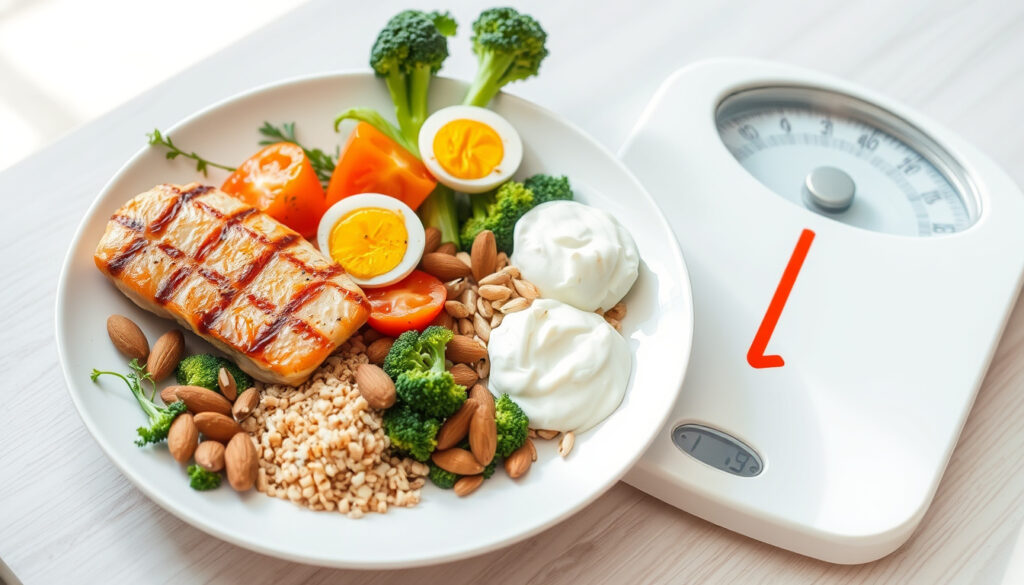
High Protein Low Calorie Foods: Top Lists for Weight Loss
If you’ve ever felt like you’re constantly hungry despite eating what you thought was “healthy,” you’re not alone. Protein keeps you full far longer than carbs or fat, yet many people accidentally cut protein when they try to reduce calories. The good news? You don’t have to choose between staying satisfied and staying on track — the right foods give you both.
Chicken breast protein per 100g: 31g · Greek yogurt protein density: 10g per 100cal · Cottage cheese calories per serving: 100cal · Eggs daily protein contribution: 12g per 2 eggs · Top foods servings for 150g protein: 5-7
Quick snapshot
- Chicken breast delivers 31g protein per 165cal (Healthline)
- Greek yogurt provides 10g protein per 100 calories (Healthline)
- Tempeh offers 20g protein per 100g (Healthline)
- Individual calorie needs vary significantly based on metabolism and activity level
- Optimal protein distribution across meals remains highly personalized
- USDA last updated vegetarian protein equivalents in 2019 (USDA ODPHP)
- Healthline maintains ongoing updates to protein charts (USDA ODPHP)
- Combining lean proteins with fiber-rich foods maximizes satiety
- 5-6 servings of top protein foods can realistically hit 150g daily target
Protein density varies dramatically across food categories, making this comparison table essential for anyone tracking intake strategically.
| Label | Value |
|---|---|
| Highest density food | Chicken breast (31g/165cal) |
| Vegetarian top pick | Greek yogurt (10g/100cal) |
| Snack leader | Hard-boiled eggs (6g/70cal) |
| Daily 150g feasibility | 5-6 servings of top foods |
What is the highest protein but lowest calorie food?
Protein-to-calorie ratios explained
Protein density measures how much protein you get per calorie consumed. White fish and poultry breast meat lead the pack because their protein content dwarfs their caloric load. According to Healthline (nutrition science publication), lean meats deliver the highest ratio, followed closely by eggs and certain dairy products.
Top contenders like chicken breast and white fish
- Chicken breast: 31g protein per 165 calories
- White fish (cod, tilapia): approximately 20-26g protein per 100g serving
- Turkey breast: similar density to chicken breast
- Egg whites: nearly pure protein, minimal calories
For anyone watching calories but prioritizing protein, chicken breast remains the gold standard — 31 grams in just 165 calories beats most alternatives on a per-calorie basis.
How can I eat low calories but high-protein?
Prioritize lean meats and dairy
Building meals around lean proteins doesn’t require complicated recipes. Greek yogurt alone delivers 16g protein per 156g serving, making it a powerhouse snack or breakfast base. The Healthline editorial team notes that Greek yogurt proves more filling than lower-protein alternatives due to its density. Cottage cheese offers around 100 calories per serving with comparable protein punch, ideal for grab-and-go moments.
Incorporate beans and legumes
Plant-based proteins deserve a place at your table too. Cooked chickpeas provide 7g protein per 82g serving, according to Healthline, alongside 6g of fiber and minerals like folate and magnesium. Black beans deliver 8.5g protein per half-cup, while lentils offer 10.5g protein per cooked half-cup — both excellent choices for vegetarians tracking calories.
- Greek yogurt: 16g protein per 156g serving
- Cottage cheese: approximately 14g protein per 100 calories
- Chickpeas: 7g protein per 82g serving
- Black beans: 8.5g protein per 93g serving
Dairy and legume proteins provide complete amino acid profiles that support muscle maintenance while keeping caloric intake manageable for weight management goals.
How to get 150g of protein a day?
Sample daily meal plans
Reaching 150g protein daily sounds daunting until you break it into realistic servings. A typical distribution might look like this: two eggs at breakfast (12g), Greek yogurt as a snack (16g), chicken breast at lunch (31g), salmon for dinner (25g), and cottage cheese before bed (14g). The University of Arizona Health (academic nutrition resource) confirms that protein equivalents of 1/4 cup beans or tofu count toward daily patterns.
Portion strategies without excess calories
Smarter portions beat larger ones. A 150g serving of firm tofu provides 21g protein for just 189 calories according to The Nutrition Junky (registered dietitian chart resource), while tempeh delivers 27g protein at 296 calories — both work well for meatless meals. The American Dietary Reference Intake suggests protein should comprise 10-35% of total daily calories.
This comprehensive protein breakdown enables precise meal planning for different dietary preferences and calorie targets.
| Food | Protein (g) | Calories | Serving Size |
|---|---|---|---|
| Chicken breast | 31 | 165 | 100g |
| Greek yogurt | 16 | 100 | 156g |
| Tempeh | 20 | 160 | 100g |
| Hemp seeds | 10 | 140 | 28g (1 oz) |
| Lentils cooked | 10.5 | 115 | 93g |
| Cottage cheese | 14 | 100 | ½ cup |
| Black beans | 8.5 | 110 | 93g |
| Pumpkin seeds | 8.5 | 150 | 28g (1 oz) |
What snack is high in protein?
Portable options like jerky and edamame
Snacks deserve protein too, especially between meals. Hard-boiled eggs deliver 6g protein for roughly 70 calories each, making them perfect portable options. Edamame — young soybeans — provides approximately 17g protein per cup shelled, according to GoodRx (healthcare platform nutrition guides), while roasted chickpeas crunch like chips with around 14g protein per cooked cup.
Healthline’s 30 high-protein snacks
The Healthline editorial team compiled 30 portable snack ideas ranging from nut butters to seed mixes. Their top vegetarian picks include Greek yogurt parfaits with granola and berries, trail mix featuring nuts and seeds, and air-popped popcorn boosted with nutritional yeast for added protein and cheesy flavor. These snacks stay under 200 calories while delivering 10-15g protein per serving.
- Hard-boiled eggs: 6g protein per egg (70 cal)
- Greek yogurt with berries: 16g protein per serving
- Roasted chickpeas: 14g protein per cup
- Edamame: 17g protein per cup
- Nutritional yeast popcorn: approximately 5g protein per serving
Prepared hummus and nut butters add protein but calorie counts climb fast. Stick to single-serving portions measured in advance rather than eating directly from containers.
How can I get more protein without calories?
Vegetarian and breakfast-focused lists
Plant-based proteins offer impressive ratios when you choose wisely. Tofu varieties differ dramatically — firm tofu (150g) provides 21g protein for 189 calories, while soft tofu drops to 7g protein for just 83 calories according to The Nutrition Junky. Hemp seeds deliver 10g protein per ounce, outperforming almonds at 6g per ounce for protein density.
This comparison table highlights the protein-to-calorie efficiency differences between tofu varieties and seed options.
| Comparison | Protein | Calories |
|---|---|---|
| Firm tofu (150g) | 21g | 189 |
| Soft tofu (150g) | 7g | 83 |
| Hemp seeds (28g) | 10g | 140 |
| Almonds (28g) | 6g | 164 |
| Tempeh (100g) | 20g | 160 |
| Tofu (85g) | 7g | 75 |
Lower-calorie proteins like soft tofu and egg whites sacrifice satiety. Combining them with fiber and healthy fats extends fullness without negating the calorie advantage.
Fast food hacks
Eating protein-forward at restaurants requires strategy. Grilled chicken salads skip croutons and heavy dressings. Egg breakfast sandwiches with just egg, cheese, and thin meat slices trim calories while delivering 20+ grams protein. GoodRx suggests requesting modifications — extra protein subs for bread, hold the mayo, double the vegetables.
Vegetarian and plant-based protein options
Plant-based eating doesn’t require sacrificing protein goals. The Healthline (nutrition science publication) comprehensive vegan protein chart ranks foods by protein content per serving. Soy products dominate — tempeh leads at 20g protein per 100g, while lentils and hemp seeds offer 10g+ per reasonable serving. Quinoa provides a complete amino acid profile with 4g protein per half-cup cooked.
Plant proteins often come bundled with carbohydrates (beans, lentils) or fats (nuts, seeds). Balance portion sizes accordingly if tracking calories strictly.
The implication: combining protein-dense plants with leaner options creates balanced meals that support both muscle maintenance and calorie targets.
Protein content of common foods
Understanding per-serving protein values helps you plan meals efficiently. A complete food chart from Goldman Laboratories (nutritional biochemistry resource) shows that canned chickpeas average 8g protein per 100g, soybeans reach 17g per 100g, and broccoli provides 2.5g protein per cup raw — useful for adding protein to vegetable-forward meals.
Even low-protein vegetables contribute meaningfully when accumulated across multiple meals throughout the day.
High-protein low-calorie fast food options
Fast food chains increasingly offer grilled chicken options under 400 calories with 30+ grams protein. Customization remains key — removing buns from burgers, swapping fries for side salads, and requesting protein additions without calorie-heavy toppings. Real Life Nutritionist (registered dietitian practice) recommends building portable snack stashes from home to avoid impulsive high-calorie fast food choices.
Strategic home preparation consistently outperforms fast food for meeting protein targets within strict calorie limits.
What experts say
Greek yogurt is a healthy and high protein snack, with 16 g of protein per container or 156 g serving.
— Healthline (Nutrition Experts)
A small, 1-ounce serving of various nuts and seeds offers roughly 4–9 grams of protein.
— Healthline (Health Publication)
Chickpeas are naturally high in protein and fiber. One cup has about 14 grams of protein and over 12 grams of fiber.
Takeaway
High-protein, low-calorie eating comes down to choosing the right ingredients in smart portions. Whether you’re meal-prepping chicken breast for the week, building Greek yogurt parfaits, or keeping hard-boiled eggs ready in the fridge, the math works in your favor — 150g protein daily is achievable without excess calories. The implication: skip the protein supplements marketed aggressively and focus on whole foods with verified nutritional profiles from sources like Healthline and USDA dietary guidelines.
Related reading: Chicken Pot Pie Recipe · Leg of Lamb Recipe
Beyond chicken breast and Greek yogurt, high-protein low-calorie smoothie recipes deliver refreshing boosts of protein and fiber to sustain satiety on your weight loss journey.
Frequently asked questions
Is 2 eggs a day enough protein?
Two eggs provide approximately 12g protein total — helpful but insufficient alone for most adults needing 50-65g protein per meal or 150g daily. Eggs work best as part of a broader protein strategy.
What are 7 foods rich in protein?
Chicken breast, Greek yogurt, cottage cheese, eggs, tofu, lentils, and tempeh consistently appear on top protein food lists from medical and nutritional sources.
What is the protein content of common foods?
Protein varies widely: chicken breast (31g/100g), Greek yogurt (16g/156g serving), lentils (10.5g/93g), tofu (7-21g depending on firmness), and almonds (6g/28g).
Are there high-protein low-calorie fast food options?
Yes. Grilled chicken sandwiches, custom protein bowls, and bunless burger patties with vegetable toppings offer 25-40g protein under 400 calories when you request modifications.
How to structure high-protein low-calorie breakfasts?
Combine eggs or Greek yogurt with fiber from berries or vegetables. Add nuts or seeds for healthy fats that extend satiety without excessive calories.
What vegetarian high-protein low-calorie foods exist?
Greek yogurt, cottage cheese, tempeh, tofu, lentils, chickpeas, black beans, hemp seeds, and edamame provide substantial protein on vegetarian diets while staying calorie-conscious.
Can I find high-protein low-calorie foods charts?
Comprehensive charts from Healthline and The Nutrition Junky list protein and calorie data per serving, sortable by density.
More related posts
 Metropolis at Metrotown Directory: Shops, Map, Restaurants
 Legacy Funeral Home Cardston: Services & Obituaries
 Green Bay Packers vs Detroit Lions Match Player Stats – Key Insights from Recent Games
 And Then There Were None – Complete Guide and Analysis
 Kolkata Knight Riders vs Royal Challengers Bengaluru Match Scorecard
 Little Shop of Horrors – Plot, Cast, Endings Explained
 Kpop Demon Hunters Songs – Complete Tracklist and Guide
 Alavés vs Real Madrid – Preview, Lineups, Prediction